

Lower back pain tends to flare when you restart gym routines, sit more at work, or tackle winter chores. If you are considering chiropractic, you likely want a clear plan, safe hands-on care, and straightforward timelines. This guide walks you through the first three visits at an evidence-based clinic, what methods are commonly used, how often you might come in, when imaging is appropriate, and how to track progress at home. You will also see how SoundCare tailors care without locking you into an unnecessary long schedule.
Is It Worth Seeing a Chiropractor for Lower Back Pain?
For many people, yes. High quality studies support spinal manipulation, targeted soft tissue therapy, and exercise-based rehabilitation for acute and chronic lower back pain. That means a qualified chiropractor can help reduce pain, improve motion, and get you moving again. Results vary by diagnosis and severity, but many patients notice change within the first few visits when care is matched to their presentation and paired with a simple home plan.
Visit 1, Your Focused Assessment and First Treatment
Your first appointment starts with a clear conversation about your symptoms, goals, work and activity demands, and any prior injuries. A focused exam evaluates which joints and muscles are driving your pain. Expect assessment of range of motion, joint movement quality, pain provocation patterns, and basic neurologic screening when indicated.
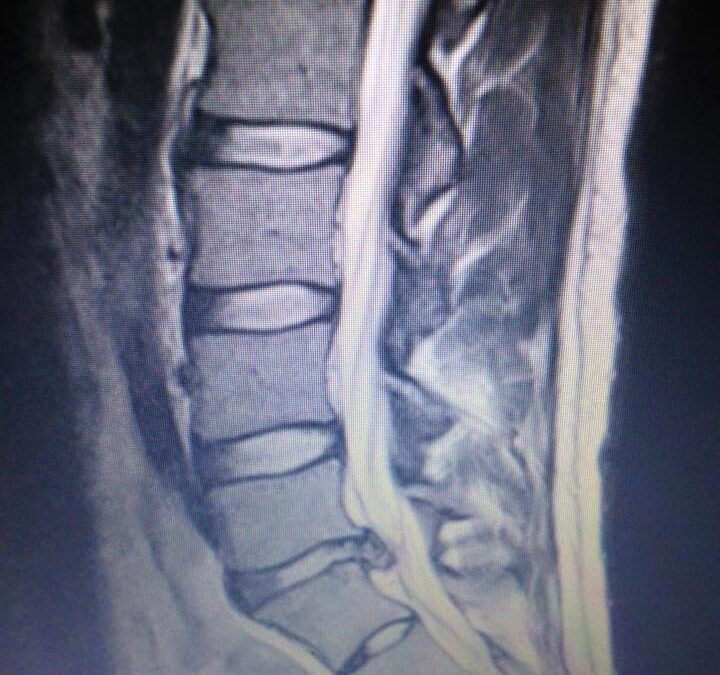
Imaging is not routine. It is considered when red flags or trauma suggest it is necessary. Examples include unrelenting night pain, progressive weakness, significant numbness, changes in bowel or bladder control, history of cancer, fever or infection risk, or recent high energy trauma. If imaging is recommended, you will know why and what the findings could change in your plan.
Most patients receive their first treatment on day one. This often includes a precise chiropractic adjustment to restore motion, gentle soft tissue work to calm guarded muscles, and a starter home routine. You should leave with a simple plan and a realistic timeline for relief and rehab.
Visit 2, Recheck, Progression, and Symptom Mapping
On your second visit, your doctor will ask what changed after the first session. Expect a quick re exam of motion and tenderness, then an adjustment directed by what improved and what did not. Soft tissue therapy may be used again if tightness still limits movement. Your home plan is refined, often adding a second move or a specific walking target, and clarifying what to do if symptoms spike at work or during workouts.
Visit 3, Consolidate Early Gains and Set Short Term Goals
By visit three, most patients can tell if the plan is working. Pain intensity and frequency, morning stiffness, and sitting tolerance are useful markers. If you are responding, visit frequency often tapers soon after. If progress is slower, your clinician will adjust methods and progress the rehab to better match your presentation. The goal is to build a path you can follow, not to sell you a rigid long plan.
Three Evidence Supported Methods Chiropractors Use
- Spinal manipulation or adjustments. Gentle, precise forces help restore joint motion and reduce irritation. This supports pain relief and better movement when combined with rehab.
- Myofascial and trigger point therapy. Focused pressure and soft tissue techniques reduce muscle guarding and referred pain that keep your back tight.
- Spinal rehabilitation and therapeutic exercise. Simple, progressive drills improve mobility, stability, and load tolerance so you can sit, lift, and train with fewer flare ups.
These are the core tools you can expect at SoundCare. Techniques are selected based on your exam, sensitivity level, and goals, with lower force options available when needed.
What to Expect for Frequency and Timeline
- Acute lower back pain. Two visits in the first week is common, then once weekly for two to three weeks as symptoms settle and mobility improves.
- Recurrent or chronic pain. Weekly or every other week early on while you build capacity with a home program, then spacing out as control improves.
- After a clear response, frequency tapers. The aim is to give you enough treatment and coaching to change the trajectory, not indefinite care
How many visits are normal for a chiropractor depends on your case, but many patients feel early change within two to four sessions. A short plan of four to eight visits across a few weeks is common for focused relief and starter rehab.
At Home Checks to Track Progress
- Morning stiffness minutes. Count how long it takes to loosen up.
- Sitting tolerance. Track pain onset time at your desk or in the car.
- Range of motion. Note how far you can bend or rotate before pain.
- Sleep quality. Record night wakings due to back discomfort.
- Daily step count. Aim for consistent low impact movement.
If any metric stalls for two weeks, tell your clinician so the plan can be adjusted.
Safety, Red Flags, and When to Seek Further Evaluation
Get urgent medical care if you develop new or worsening leg weakness, significant numbness in the saddle region, loss of bowel or bladder control, unremitting night pain with fever or malaise, or severe trauma. Your chiropractor will refer when symptoms warrant co management or imaging.
Who Is the Best Doctor to See for Back Pain?
Start with a clinician who treats spine problems every day and uses evidence based methods. Chiropractors, physical therapists, and some primary care or sports medicine physicians all help with lower back pain. Choose someone who will examine you carefully, explain findings, use hands on care when indicated, provide a clear home plan, and reassess quickly. If your pain followed a crash and you are in Seattle, an experienced auto injury chiropractor can streamline both care and billing.
What Is the Best Treatment for Chronic Back Pain?
There is no single best treatment for every person. Strong evidence favors a multimodal plan that blends manual therapy, progressive exercise, and behavior change. For many, that means periodic adjustments to restore motion, targeted soft tissue work to calm persistent tension, and a consistent home program that trains mobility, control, and capacity. Education, pacing, sleep, and walking matter too. Medications and injections may help select cases, and surgical consults are reserved for specific indications.
How SoundCare Customizes Your Plan
At SoundCare Chiropractic, your plan is individualized from day one. Expect a precise adjustment, soft tissue work when needed, and clinician taught home strategies you can do in under ten minutes a day. Frequency is tailored and tapered as you improve, and we avoid unnecessary long term schedules. If you prefer gentler methods, we offer lower force options. If you need insurance clarity, we provide a Free Benefits Check and help coordinate auto claims when applicable.
If you are looking for clear, evidence forward care with hands on treatment plus rehab coaching, explore our seattle evidence-based chiropractic care page. If muscle tension is a major driver of your back pain, you can read more about our myofascial release seattle approach. Ready to start building your home progress routine, our seattle home exercise program overview explains how we teach and progress simple drills.
Can a Chiropractor Help With Back Pain?
Yes, when treatment is matched to your diagnosis and goals. Chiropractors trained in evidence based assessment and rehabilitation can reduce pain, restore motion, and help you return to the activities you care about, from lifting to long workdays to weekend hikes.
Summary, Your First Three Visits Set the Tone
- Visit 1, assess, treat, and start a simple home plan. Imaging only when indicated.
- Visit 2, recheck, adjust methods, and progress exercises.
- Visit 3, confirm response, set short term goals, and taper frequency if appropriate.
Chiropractic can be worth it for many adults with lower back pain, especially when it combines precise adjustments, targeted soft tissue therapy, and a straightforward rehab plan. If you want transparent guidance, safe and comfortable hands on care, and a plan that fits your schedule, SoundCare is here to help. Book a focused exam, request a Free Benefits Check if you want to confirm coverage, and take the first steps toward steady, measurable relief.